How to Grow and Care for Pincushion Flower Plants
Scabiosa columbaria


 The Pincushion Flower is a long blooming, clump forming perennial with grayish-green,
2"-6", lance-shaped basal leaves and smaller, deeply dissected stem leaves.
If deadheaded diligently, they will bloom from early summer until the first frost of fall.
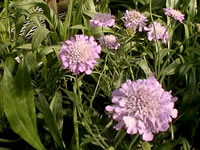
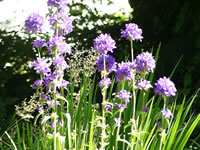
Pincushion Flowers produce an abundance of rounded, 1½" flowerheads on top of wirey, 12"-24"
stems.
The flowerheads consist many small center florets surrounded by petal like florets.
The Pincushion Flower is a long blooming, clump forming perennial with grayish-green,
2"-6", lance-shaped basal leaves and smaller, deeply dissected stem leaves.
If deadheaded diligently, they will bloom from early summer until the first frost of fall.
Pincushion Flowers produce an abundance of rounded, 1½" flowerheads on top of wirey, 12"-24"
stems.
The flowerheads consist many small center florets surrounded by petal like florets.
The stamens that protrude from the center of the flower look like little pins stuck in a pincushion, which is how this easy to grow plant got its name. Pincushion Flowers make excellent cut flowers and are a favorite source of nectar for butterflies.
Growing Requirements for Pincushion Flower Plants
Scabiosa columbaria plants are hardy in USDA zones 4-8.
Pincushion Flowers should be planted 12"-15" apart in an area where they will receive full sun for most of the day. They will grow and flower in partial sun or shade, but flowering will decrease and the stems will be shorter and weaker. Provide afternoon shade in hot summer regions.
Scabiosas will not tolerate soggy soil in the winter, so it is very important to ensure excellent drainage. They prefer slightly alkaline soil with a pH of 7.0-7.5, so you may need to add some lime to the soil when you prepare the planting hole. Water your Pincushion Flower regularly and thoroughly during the first growing season to establish a deep, healthy root system.
Once established, they are fairly drought tolerant plants. Deadhead regularly to prolong the flowering season and keep the plant looking nice.
When necessary, the stems can be cut all the way back to the bottom leaves to improve the appearance of the plant. Cut the foliage back to the ground after the first frost.
Take precautions to protect your Pincushion Flowers from slugs and snails.
Propagating Pincushion Flowers and Growing them from Seed
Divide Pincushion Flower clumps in early spring, every few years to stimulate growth and provide you with additional plants. Tip cuttings can be taken in mid-summer and are easily rooted.Pincushion Flower seeds can be sown directly into the garden in the fall, as soon as they ripen, for blooms the following summer. Start your seeds indoors 6-8 weeks before the last killing frost. Maintain a temperature of 70°-75° within the growing medium until germination, which takes 10-15 days.
Pincushion Flower - Scabiosa columbaria