How to Grow and Care for Tickseeds and other Coreopsis Plants
Coreopsis species
          
There are about eighty different species of Coreopsis, which include both annuals and perennials.
Coreopsis plants form nice, slow spreading clumps of green, fern-like or thread-like foliage with profusely blooming flowers that stand above the foliage on long, wirey stems.
Coreopsis are excellent border or rock garden plants, and are great for cut flower arrangements.
|

|
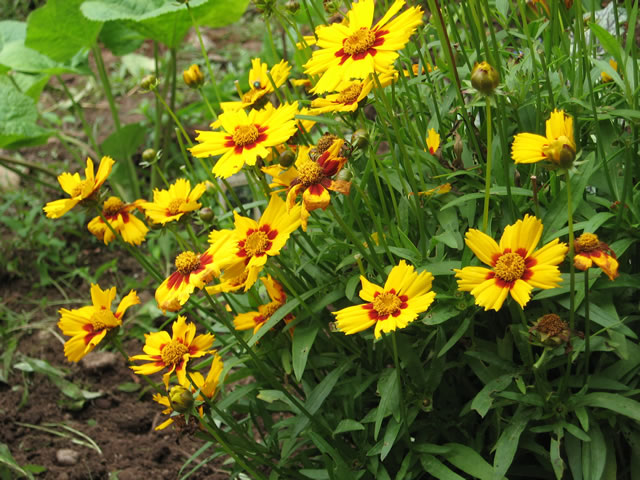
Tickseed plants, Coreopsis grandiflora are hardy in USDA zones 4-9. C. grandiflora forms 9"-36" tall clumps that will spread to about 18". They have bright yellow, 2"-3", daisy-like flowers on tall stems that bloom all summer.
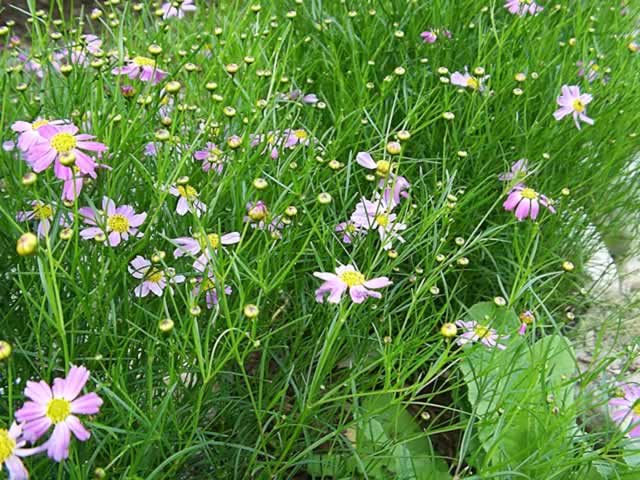
Pink Coreopsis, Coreopsis rosea are hardy in zones 4-8. C. rosea has finely textured leaves that form dense, 15" tall clumps that will spread to two feet or more. They produce 1" pink, daisy-like flowers with yellow centers from mid-summer until early fall.
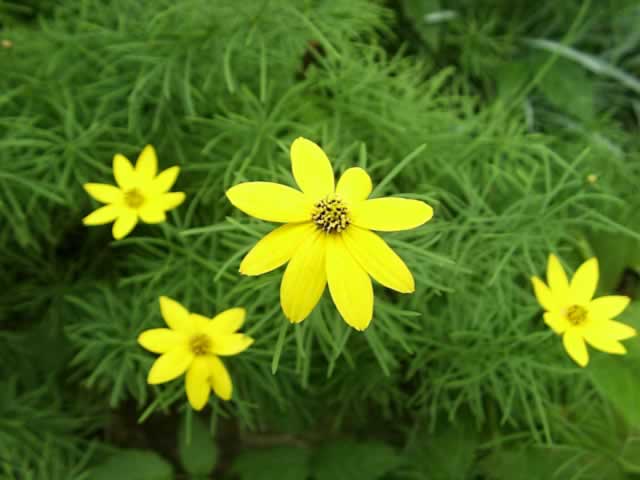
Threadleaf Coreopsis, Coreopsis verticillata (also commonly known as Whorled Coreopsis) are hardy in zones 6-10. C. verticillata forms 1-2 ft. tall by 3 ft. wide clumps of fine, ferny leaves. They produce 1"-2" golden yellow flowers continuously from late spring until fall.
Growing Requirements for Coreopsis Plants
Coreopsis are one of the easiest of all perennials to grow.
They should be planted in an area that receives full sun all day for the best flowering,
but they will tolerate partial shade periodically throughout the day.
|
|
Coreopsis will tolerate almost any soil as long as it has good drainage. However, they prefer sandy or rocky, slightly acidic soil with a pH below 6.8.
Water regularly until your plant is well established, after which time, Coreopsis is fairly drought tolerant.
Coreopsis seldom, if ever, need fertilizing.
Deadhead spent flowers regularly to encourage additional bloom.
Coreopsis plants can be sheared back by 1/3 in mid to late summer
to promote a fall rebloom, and to groom the plant.
Take precautions to protect young plants from slugs and snails.
Propagating Coreopsis Plants and Growing them from Seed
Dig up and divide your Coreopsis clumps every two to three years in the fall after blooming or in the early spring. This will provide you with additional plants as well as keeping your plants thriving.
Coreopsis seeds require light for germination, so do not cover them!
Coreopsis seeds can be sown directly in the garden at any time from early spring, up until two months before the first killing frost.
Start your seeds indoors in early spring to early summer.
Maintain a temperature in the growing medium of 55°-70° during germination, which takes 20-25 days.
|
|
Tickseed
Coreopsis grandiflora
|
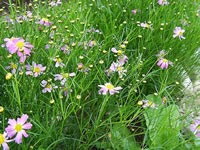
Pink Coreopsis
Coreopsis rosea
|
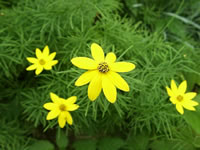
Thread Leaf Coreopsis
Coreopsis verticillata
|
|
|
|
|
Search The Garden Helper: