wooden garden panelspacerspacerThe Garden Helper logo
The Garden Helper, Gardening on the Web since 1997
 
wooden garden panel

How to Grow and Care for Knotweed Plants

Persicaria bistorta

This plant grows best with full sun for most of the dayThis plant requires or will tolerate shade during the heat of the dayThis plant will tolerate some drought, but benefits from periodic wateringThis plant needs a thorough, deep weekly watering, Double icons require boggy or wet conditionsThis plant needs a thorough, deep weekly watering, Double icons require boggy or wet conditionsButterfly FlowerBird Plant or FlowerNo DeerPink flowering plantPersicaria bistortaHow to Use the Plant Care Icons at The Garden Helper
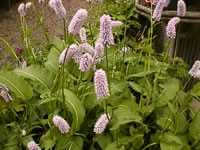
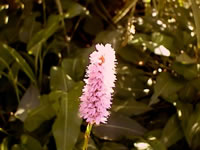
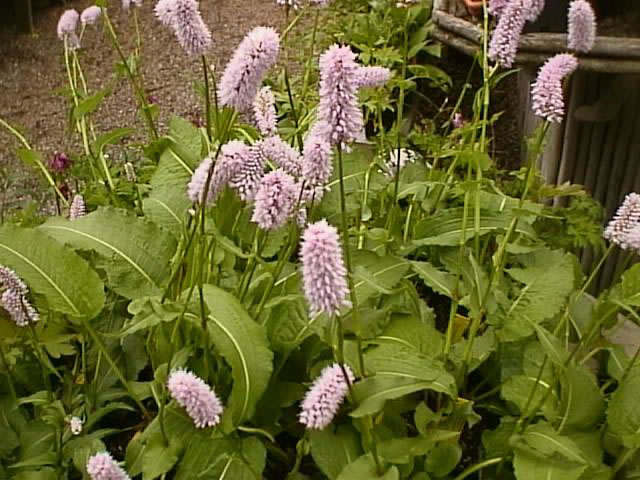
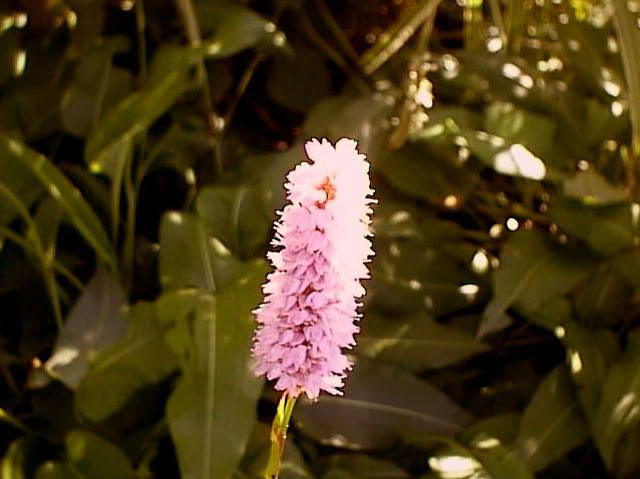
Knotweed or Bistort plants are low maintenance, quick growing, semi-evergreen perennials with bright green, 4"-8" lance shaped leaves. They grow 2- 2½ tall, and spread to form 3 foot wide mounds. Once classified as Polygonum bistorta, Knotweed plants produce 3"-6", bottlebrush-like spikes of tiny, pink, bell-shaped flowers on leafless stems that rise above the foliage from late spring into early fall.
Knotweed is an excellent ground cover plant, especially when grown along the edge of a pond, a stream or in boggy areas.
Knotweeds are rabbit and deer resistant plants that will attract butterflies and bees to your garden. They make excellent cut flower bouquets.

Growing Requirements for Knotweed Plants

Persicaria bistorta plants are hardy in USDA zones 4-9.
They are very easy to care for plants that can be grown in full sun or light shade, except in hot summer regions where they should only be grown in partial shade. Knotweed should be planted in fairly rich, constantly moist but well-drained soil that has been supplemented with compost at planting time. Water regularly and thoroughly!
Lack of sufficient water or will result in a dismal flower display.
Angoor the Garden Gnome

Remove spent flower spikes regularly to encourage your Knotweed plants to continue blooming.

Propagating Bistort Plants and Growing them from Seed

Established clumps of Knotweed can be easily divided for propagation purposes or to contain growth, in early spring or in the fall.

Seeds can be sown directly in the garden in late summer or in the spring, after all danger of frost has passed.

Sow seeds indoors onto a moistened growing medium in early spring, barely covering them with fine soil.
Keep the growing mix evenly moist throughout the entire process.
Maintain a temperature in the growing medium of 65°-75° until germination, which takes 3-4 weeks.

Knotweed
Persicaria bistorta
A Knotweed Plant Blooming in the Garden Flower Spike of the Knotweed Flower, Persicaria bistorta
The Garden Helper
Gardening in May
Gardening in June
Willy World
The Gardener's Forum
Gardening Basics
Grow a Garden
Site Preparation
Planting
Plant Propagation
Improve Your Soil
Test your Soil pH
Butterfly Garden
Hummingbird Gardens
Hummingbird Flowers
The Plant of the Week
Star of Bethlehem Flowers
Star of Bethlehem
Ornithogalum arabicum

This plant grows best with full sun for most of the dayThis plant requires or will tolerate shade during the heat of the dayOnce established this plant requires little or no supplemental wateringThis plant will tolerate some drought, but benefits from periodic wateringSome or all parts of this plant may be toxic or poisonousHousePlant IconWhite flowering plant
The Star of Bethlehem is a bulb type plant that produces upright clusters of fragrant 1-2" flowers in early summer. Ornithogalums can be grown in containers or as a House Plant These plants grow best in full sun but will tolerate partial shade in hotter regions. Well draining soil is essential or the bulbs may rot rather than blooming.
The Star of Bethlehem is hardy in USDA zones 7-9.
Composting
Annual Plants
Perennials
Vegetable Gardens
Garden Specific Plants
Plant Hardiness Zones
Pests & Problems
Weed Control
Gardening Glossary
Photo Galleries
Christmas Cookies
If you like this page,
please tell your friends!
Share |